

Thai Banking & International Transfers

Last updated on July 19th, 2025 at 03:54 am
Thai banking and International transfer sub-Topics to be covered here:
- International exchange rates
- Transferring Funds overseas
- Differences between western banking and Thai banking System
- Using ATMs, checking accounts, Savings accounts, interest rates, fees and the popularity of Digital transfers in Thailand.
- The Popularity of using gold and a currency as well as an investment in Thailand.
The Thai Banking System
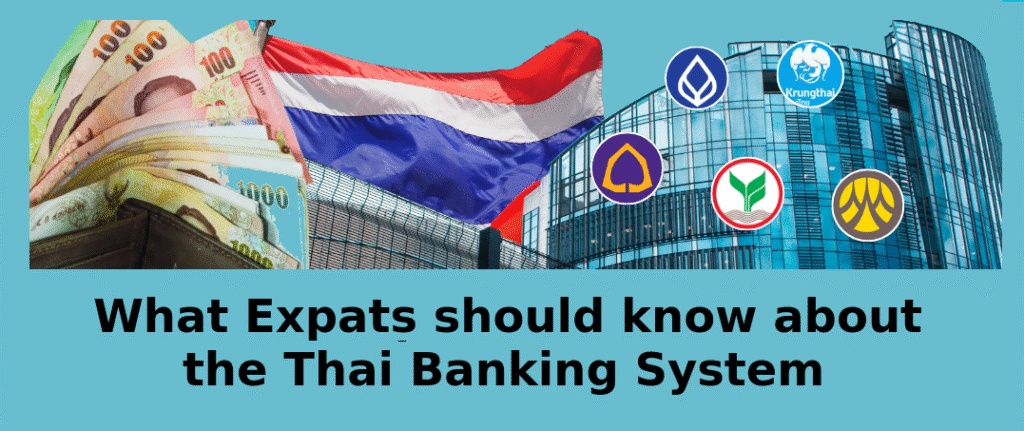
Which are the main Banks in Thailand;
- Bangkok Bank is the most Expat friendly Bank
- Krungri Thai Bank (A.K.A. Ayudhya Bank) is somewhat Expat Friendly
- K-Bank (Kasakorn Bank)
- SCB (Siam Commercial Bank) SCB ranks as the largest bank in Thailand.
- BAAC Bank for Agriculture and Agricultural Cooperatives
- Government Savings Bank (GSB) the “pink Bank”
Banking differences from the west:
- Thai Banks have No ATM fees if you take funds out of your bank’s ATM as long as you are in your home province. When fees apply, they are 20 baht.
- Card-less ATM withdrawals are very easy, fast and safe. Most ATM fees do not apply if you use this type of withdrawal. For example, there is a fee is you withdraw funds from an ATM that is not located in your home province.
One of the challenges is getting a Thai bank account without a long term VISA such as a retirement… this makes getting a retirement VISA an issue since you need to have 800K in the bank as a requirement to get the retirement VISA.
Transferring Funds to Thailand

International transfers can be complex and costly. Knowing how to transfer quickly, easily with the least cost is important, but the costs are not obvious. Here are a few of the costs to transfer funds internationally.
- Your home country bank may change a fee to transfer.
- 3rd party services that send fund such as transfer wise have fees
- The exchange of currency to the Thai baht is another fee (the exchange rate can vary significantly per vendor.)
- Your Thai bank has fee(s)
- If you sent a large amount of funds exceeded 2 million baht, you could have additional fees.
- Finally, you may be required to file Thai income tax if you send large amounts of funds, leading to an income tax.
Please be patient while we develop this webpage …
Topics coming soon;
- How the exchange rate impacts your transfers.
- What are the taxes that may apply
- What methods can be used to transfer funds internationally.
-Bangkok – usage details
-Transfer Wise – usage details
– US (big 6) major bank transfers (SWIFT account system)
Investing in Gold

Thailand has always used gold as a currency, unlike western countries that frown on this. Thailand accept gold as cash and have many exchange services.
The gold market, many stores you can simply walk in and Purchase with a passport. They also have online application, you can buy and sell large amount instantly. With very low fees. An example of this is “Gold Now”.
Investing in Western Markets

Most Expats are surprised it can be complex with many repercussions to invest from outside their home country.
It’s not uncommon to be blocked entirely from accessing your accounts in your home country to extra fees and taxes.
Sometimes using a VPN service is a workaround for this, but some banks and investments companies expressly prohibit investing while outside their home country. Many Expats are unaware of this for years, until the topics of where you are residing comes up and your account blocked.
Vanguard, one of the largest US based Investment firms, is an example of an investment firm that may block access to your account if you are outside the USA. To fix this may require you to return to the USA to get the account unlocked.
Buying Property and Businesses in Thailand
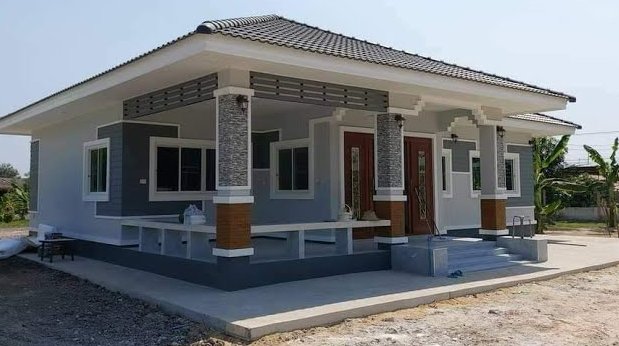
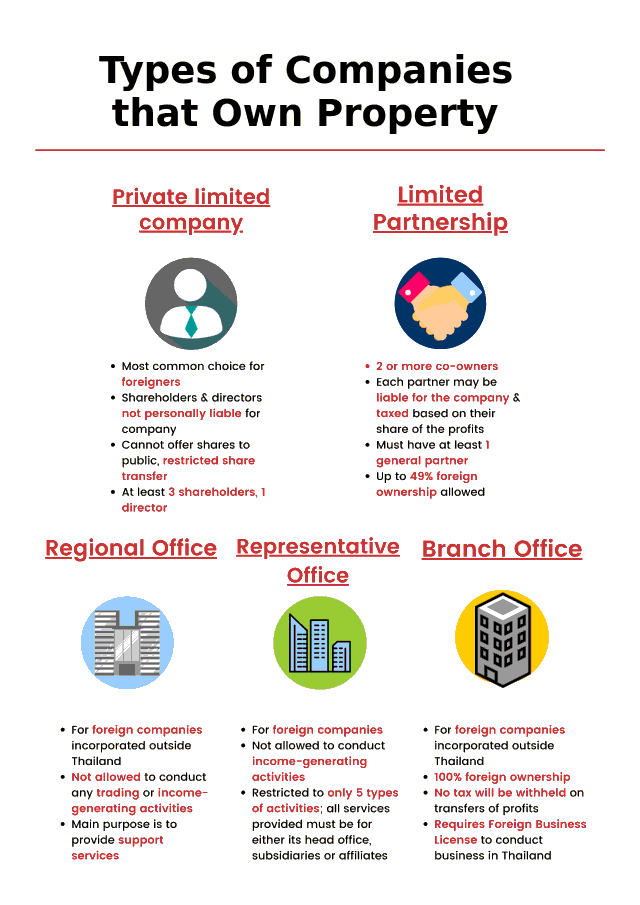
Expats can buy condos and businesses, includiing business that own condos.
In Condo buildings, Foreigners are allowed to own only 49% of the units, 51% percent must be in Thai name or Thai business name. So an Expat can be a co-owner of a business that owns a condo as well as own a unit designated as foreigner capable ownership.
There are similar options to buy a home since land property can not be owner by Expats. Additionally, Expats can do a long term rent or 30 years. Build a home as you wish on the property, but keep in mind that after 30 years the property and anything you build on it goes back to the original owner.
Buying Vehicles in Thailand
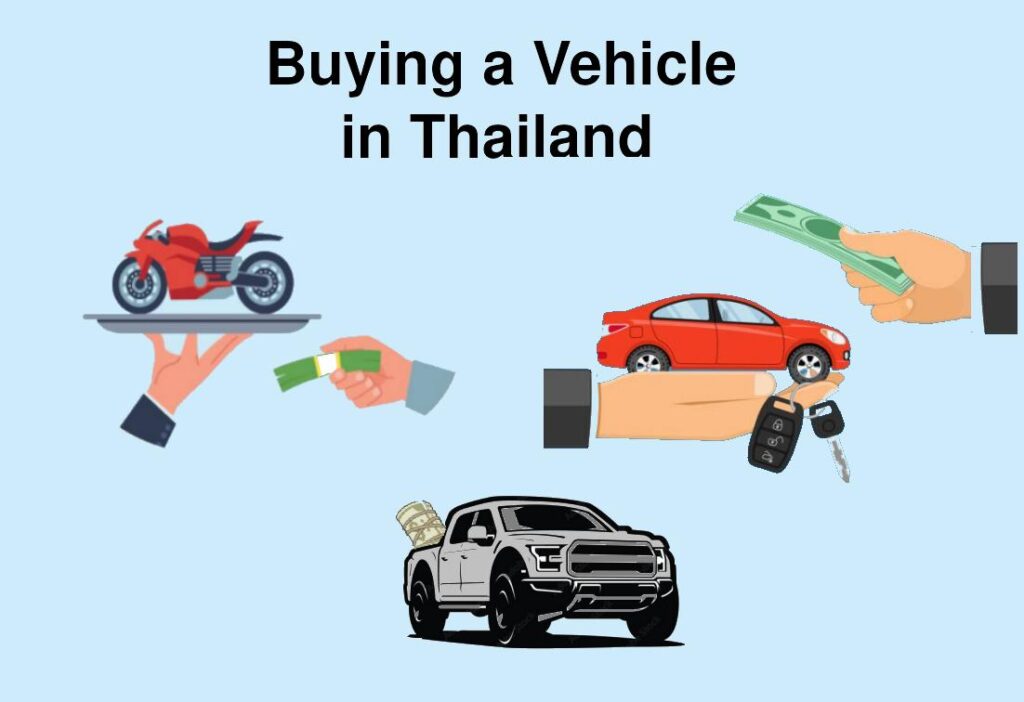
Expats can own vehicles such as car, trucks and motorbikes. But it’s unlikely they can finance them through a dealer or Thai bank. Expats would either have to put the vehicle in a Thai associate’s name or buy the vehicle in full.
The fees, taxes for the purchasing a vehicle are very small compared to western standards.
Buying a new vs used… Pros and Cons, New vehicles if financed can get good deals with many extras, including up to an 9-year loan with no finance charge.
Used vehicles, while cheaper than new, come with more risk, when add in the perks you get with a new vehicle. The price of a new car may be a better value if you can afford and finance it.
A Con of financing a new vehicle is that you are required to carry VIP insurance coverage on the vehicle while the loan is paid. These are better quality insurance plans with a higher level of service and coverage but they with higher costs.
Differences Between Western Banking and Thai banking Systems
I am happy to say banking in Thailand is significantly different from western countries. There is a lot to discuss of important information for you to know if you are considering a long term stay here, so read carefully.
First let me cover the Pros ;
- ATMs are everywhere, far more and easier to find, It seems there is one every street corner.
- ATM Careless Withdrawal – an easier, cheaper, faster, safer way to use an ATM
- Digital payments with QR codes. Also called “scan” for short, these are by far the most common way to pay for transactions, with cash being second. Other than cash. It is also the most common way to pay for most all types of bill in Thailand. The scan process is a bank app on your smartphone that allow direct and instant funds transfer from your Thai bank account to the vendor, there are no fees associated with this system!
- Cash is still widely accepted here in Thailand. A few places only accept cash or digital scans
- Checks are non-existent, there is simply no use for them here.
- Currency exchange is simply easy and everywhere. The rates are better than in Western countries.
- Thai banks issue credit cards such as a VISA and MasterCard for use with western and Chinese and BRICS card systems.
- International transfers are far more common, easier to transact and cheaper.
And here are the Cons;
- Getting a bank account can be challenging
- Learning the exchange rates is challenging for some, but
- It’s important to learn the currency exchange rates, otherwise you are a risk of not recognizing a good deal from a bad deal.
- If you take Thai baht to the USA, good luck finding a place that will exchange foreign currency to USD. If by some miracle you can, the rates will be unappealing.
How to get your first Thai Bank account
One of the challenges to recently arriving Expats is how to get a Thai bank account without a long term VISA such as a retirement and since you are required to have 800K in the bank months before getting a Retirement visa, there is not easy answer how to do this. So Expats use a VISA agency to resolve this on there initial retirement VISA, while others find creative ways around this.